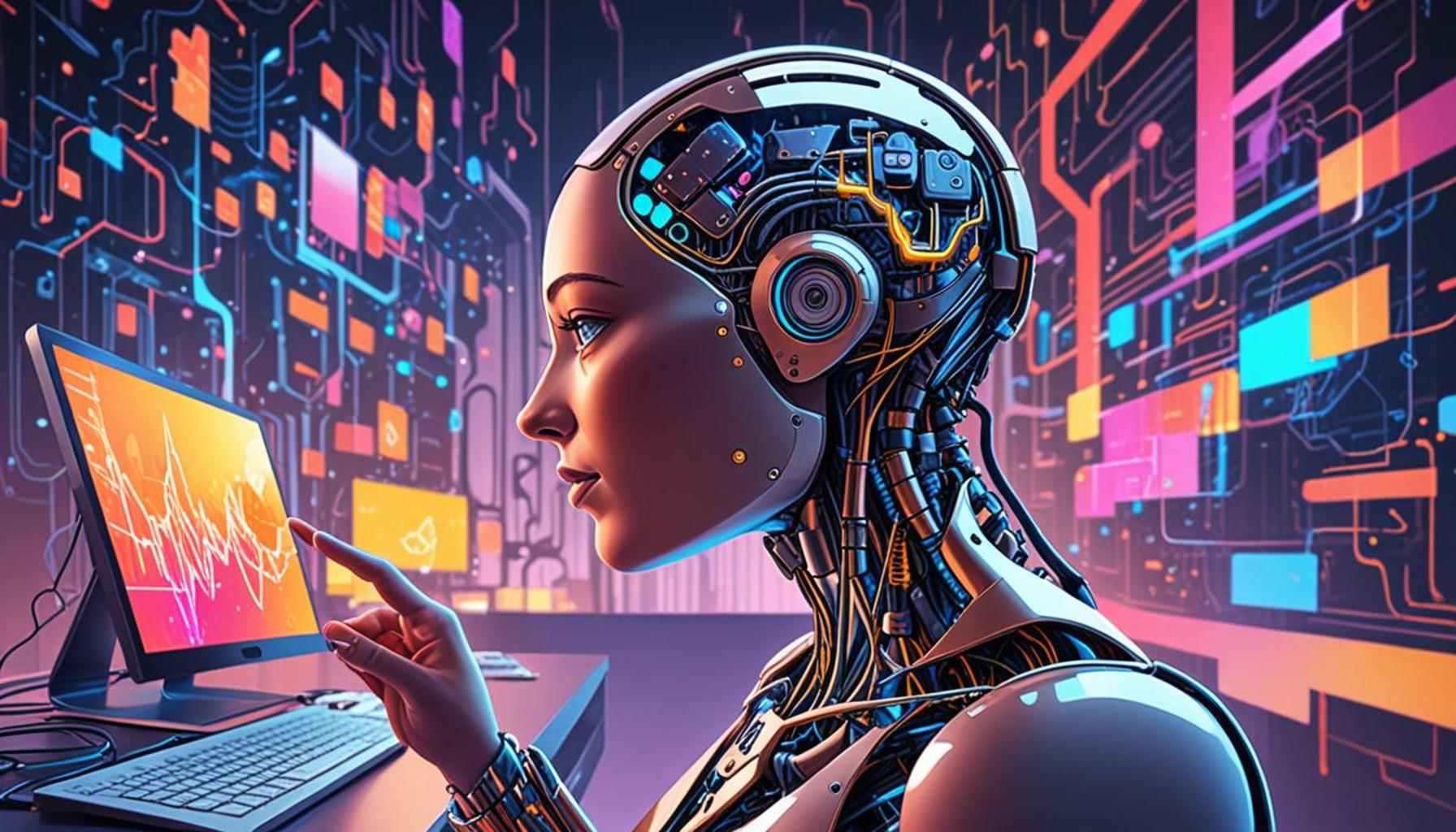
The Impact of Automation on the Mental Health of Workers in Traditional Sectors

Understanding the Impact of Automation on the Workforce
The integration of automation technologies into various industries is not simply a trend; it represents a significant transformation in how work is conducted. Historically, sectors like manufacturing, retail, and agriculture have relied on manual labor. However, the advent of sophisticated machines and artificial intelligence is altering the landscape, compelling both employees and employers to adapt swiftly. While technological advancements lead to greater efficiency and productivity, they simultaneously present both opportunities and obstacles for the existing workforce.
Job Displacement and Anxiety
Job displacement is one of the most evident consequences of automation. As robots and algorithms take over tasks once performed by humans, many traditional roles face redundancy. For instance, in the manufacturing sector, assembly line jobs are increasingly being fulfilled by machines that can perform tasks with precision and speed that exceed human capability. This shift can lead to significant uncertainty and anxiety among workers, who may find themselves grappling with the fear of unemployment. A local factory that has transitioned to automated systems may lead to hundreds of redundancies, causing ripple effects throughout the community, with families facing financial instability.
Increased Workload and Stress
For employees who remain in their positions, automation can often mean an increased workload. These workers may now be required to manage both traditional tasks and new technological systems. Consider a customer service representative who must now use complex software for data entry while also fielding customer calls. The dual responsibility can lead to heightened stress levels, where employees may feel overwhelmed and unable to perform at their best. Studies have shown that prolonged stress can significantly impact mental health, leading to burnout and reduced job satisfaction.
Navigating Skill Gaps
The introduction of automation necessitates a new set of skills, leading to skill gaps for many workers. For example, older employees who lack familiarity with advanced software may feel intimidated by the pace of change, creating a sense of inadequacy in a competitive work environment. Resources for training and education are crucial in addressing these gaps, helping workers to upskill and retain their value in the workforce. Many companies now offer training programs, but access to these can vary widely, leaving some workers at a disadvantage.
Different Generational Perspectives
The effects of automation can vary dramatically based on an individual’s career stage. For young workers, the uncertainty surrounding job security can be daunting, particularly as they start their careers in an unpredictable climate. On the other hand, mid-career professionals may experience an identity crisis as their previously respected skills become less relevant in the automation landscape. Finally, older employees might struggle with adapting to these new technologies, leading to frustration and feelings of inadequacy as they face ever-evolving job requirements.
Creating Supportive Work Environments
To foster healthier workplaces, it is essential to focus on strategies that manage stress and promote well-being. Companies can implement mental health resources, offer training programs, and create collaborative environments where employees feel valued and supported. Encouraging open dialogue about the challenges posed by automation can help demystify these changes and empower employees, paving the way for it to be viewed as an opportunity rather than a threat. By adapting alongside technology, organizations and their workforce can thrive in this new era of work.
DISCOVER MORE: Click here for more tips
Understanding the Emotional Toll of Automation
The rapid advance of automation in various sectors is reshaping the workplace, and with it, workers’ mental health is being increasingly affected. While automation streamlines operations and increases efficiency, it also brings emotional challenges that cannot be overlooked. Understanding these impacts is essential for employees and employers alike.
The Shift in Job Roles
As automation takes hold, there is a marked shift in job roles, which can lead to feelings of instability and anxiety among workers. For example, in retail settings, self-checkout systems may reduce the need for cashiers, pushing many experienced employees to reassess their career paths. This transition leads to the emotional burden of questioning one’s job security. Employees may wonder if their skills will remain relevant or if they will need to seek new employment opportunities altogether. The uncertainty can foster an environment of stress, causing workers to feel less engaged and motivated in their roles.
The Rise of Performance Pressure
Automation can also create an atmosphere of heightened performance pressure. With machines taking over repetitive tasks, the expectation for workers to increase productivity often follows. An employee in a distribution center may be required to meet higher output demands as automated systems streamline the fulfillment process. Consequently, when individual performance is closely monitored, workers may experience an increased fear of not meeting expectations, leading to feelings of inadequacy and, ultimately, burnout. This pressure can erode workplace satisfaction and negatively impact mental well-being.
Social Isolation in the Workplace
Another aspect to consider is the issue of social isolation. Automation tends to minimize the need for human interaction as tasks become more mechanized. In sectors like manufacturing, workers may find themselves operating machinery in isolation or relying on technology for communication instead of collaborating directly with colleagues. This shift can lead to feelings of loneliness, as employees may miss the camaraderie and support that come from working closely with others. Lack of social connection has been linked to increased anxiety and depression, indicating that the emotional health of workers requires attention alongside technological advancements.
Challenging Work-Life Balance
Additionally, automation can blur the lines between work and personal life, challenging traditional work-life balance. As remote work becomes more prevalent, employees may find themselves tethered to their jobs for longer hours due to automated communication systems. For instance, a worker might feel obligated to respond to emails at all hours, leading to guilt for not being “present” at work. This extended connectivity can lead to chronic stress and hinder personal relationships, further impacting mental health.
Proactive Approaches to Mental Health
To address these challenges, it is essential for employers to adopt proactive approaches to mental health. Implementing programs that encourage open discussions about automation-related stressors can help build supportive workplaces. Resources such as mental health days, stress management workshops, and employee assistance programs can cultivate resilience among workers. When employees feel supported through transitions, they are better equipped to adapt and thrive, minimizing the negative impacts of automation on their mental health.
LEARN MORE: Click here for essential insights
Strategies for Adaptation and Support
As automation continues to evolve, it is crucial for both employers and employees to explore effective strategies for adaptation and support. Recognizing the emotional and psychological pressures that come from these changes is essential for fostering a healthier work environment.
Training and Reskilling Opportunities
To combat the fear of job displacement, organizations must invest in training and reskilling opportunities. Offering programs that allow workers to develop new skills relevant to automated processes not only empowers them but also boosts their confidence and adaptability. For instance, a factory that implements robotic assembly lines could provide workshops on robotics maintenance or programming. This approach not only keeps employees engaged but also mitigates feelings of insecurity tied to automation.
Fostering a Collaborative Culture
A collaborative culture can counteract social isolation brought on by automation. Employers should encourage teamwork through projects that require joint efforts, which can help maintain strong interpersonal relationships. For example, regular team-building exercises can create an atmosphere of camaraderie and support. In sectors where automation might limit interaction, scheduled social hours or group brainstorming sessions can remind employees of the value of human connection, enhancing their overall mental health.
Flexibility in Work Arrangements
Flexibility in work arrangements is becoming increasingly important as well. Offering flexible work schedules can help workers better manage their work-life balance, thereby reducing stress. For instance, an office may allow employees to choose their hours or work remotely a few days a week, striking a healthy balance between job responsibilities and personal life. This initiative can help alleviate feelings of being overwhelmed and provide workers with the autonomy needed to feel in control.
Implementing Mental Health Awareness Programs
Raising awareness about mental health issues in the context of automation is paramount. Employers should actively promote mental health awareness programs that educate staff on recognizing the signs of stress and anxiety, as well as providing tools to cope with these feelings. Offering workshops on mindfulness, stress reduction techniques, and access to mental health professionals can empower workers to take ownership of their mental health and seek help when needed.
Encouraging Open Communication
Finally, fostering an environment of open communication is essential. Employers should create platforms where employees feel comfortable voicing their concerns related to automation. Regular feedback sessions, anonymous surveys, or suggestion boxes can help management gauge employee sentiments and address issues promptly. By being responsive to their concerns, organizations can fortify trust and show that they value their employees’ mental well-being.
In summary, as automation reshapes traditional sectors, recognizing its impact on mental health is critical. Through strategic support—such as training, fostering collaboration, promoting flexibility, and encouraging open communication—employers can cultivate a resilient workforce, prepared to adapt and thrive in an ever-evolving landscape.
DISCOVER MORE: Click here to find out how
Conclusion
The ongoing march of automation across traditional sectors underscores a profound transformation in the workplace, affecting not only job dynamics but also the mental health of employees. As machines take over repetitive tasks, the emotional and psychological ramifications can be significant, leading to heightened anxiety, stress, and feelings of isolation among workers. It is, therefore, imperative to recognize that while automation brings efficiency, it also necessitates an urgent focus on protecting and promoting mental well-being.
Through a multifaceted approach, organizations can alleviate the adverse effects of automation on mental health. Implementing programs for reskilling not only equips workers with valuable new skills but also instills a sense of purpose and confidence. Emphasizing collaborative cultures and providing opportunities for social interaction can counteract feelings of disconnection that might arise in increasingly automated environments. Furthermore, adopting flexible work arrangements allows employees to maintain better work-life balance, reducing overall stress levels.
In conclusion, elevating mental health awareness and encouraging open communication are vital strategies for fostering a supportive workplace culture. By prioritizing the mental health of workers in traditional sectors facing automation, companies can create an environment where employees not only survive but thrive. Proactively engaging with these challenges will lead to more resilient workforces, ultimately positioning organizations for sustained success in an evolving landscape of work.

Linda Carter
Linda Carter is a writer and expert known for producing clear, engaging, and easy-to-understand content. With extensive experience in guiding people as they pursue their goals, she shares valuable insights and practical advice. Her mission is to help readers make informed choices and achieve meaningful progress.